Welcome to Indy Dog Pro
We’re experienced dog people who, unlike others in the industry, still LOVE dogs. Our goal is to help dog owners develop rewarding and fulfilling relationships with their pets. That kind of relationship is ALWAYS what’s best for the human and what’s best for the dog.
Over the past 10 years, we’ve seen the dog world explode with unqualified and unscrupulous trainers.
Basic training prices have skyrocketed. Board and train pricing is so expensive now it’s out of reach for most families.
What’s worse is inferior training and abusive methods are being practiced widely.
This situation is not good for pet owners—and it’s definitely not good for dogs.
What the public doesn’t know:
Many commercial dog trainers choose dog training because of the low barrier to entry, their inability to do anything else, and their shady past.
Like any other industry, some are honest, knowledgeable people—but many are not.
They may look good at a glance and have great websites, fancy-sounding names, and use a lot of dog terminology. But in the end, you’ll see they’ll push you into overpriced, expensive training programs which don’t fix your problems.
Like a car mechanic could tell you almost anything… you probably don’t know the difference.
Here are just a few more reasons to look out for commercial trainers:
Commercial trainers “CASH-IN” on your desperation and lack of knowledge.
We’ve heard horror stories of people who had terrible experiences with commercial trainers and were left feeling cheated and angry. And what’s worse is they STILL had dog problems.
Commercial trainers seem to always find fault with YOUR dog.
They’ll claim your dog’s dumb, or is extra stubborn, or is super spastic. Funny—EVERY dog they work with seems to have something wrong.
Commercial trainers rarely provide what they claim.
They’ll make promises and reassure you, but what does all that talk matter if you can’t verify quality?
Because you don’t know the difference, you’ll end up getting taken advantage of—without knowing it.

A commercial dog trainer does what they want… their way.
They won’t change their methods and burn time finding approaches which FIT you or your dog. They couldn’t care less about your lifestyle, your dog’s traits/personality, or your timeline. They’ll listen, but they’ll only say what they think you need to hear.
In the end (after you’ve paid), you could still have problems… and that is, IF they didn’t make the situation worse!
Your dog is unique.
Your situation is unique. You should train your dog using the methods which best fit both the dog and YOU. Training should align with the methods you believe are best for your pet.
Make these decisions correctly, and at the very least, you’ll do no harm.
Choose the wrong trainer… and you’ll hurt the dog more than helping them… and you’ll lose a lot of money.

Commercial Trainers can be abusive
If pet owners knew what good training was, they’d be outraged by what’s happening and what they’re being sold.
Many commercial trainers/franchises depend upon compulsive tools. They claim the e-collar or prong won’t hurt your pet. They’ll even claim your dog doesn’t see these corrections as painful or as punishment at all… that’s ridiculous.
If you believe that, put on one of those collars and take a few “yanks” and “stims” yourself.
Using these tools right off, without a foundation, is an abusive shortcut. A shortcut that psychologically and physically can hurt your dog—sometimes irreparably.
The truth is most dogs, especially in the beginning, can’t understand why they’re being hurt.
It’s like someone yelling at you in a foreign language and then punching you because you didn’t respond correctly.
How would that make you feel?
There’s a time and place for e-collars and prongs. But they have to be introduced correctly, employing a method that’s fair, clear, and humane. And the owner/handler must be trained to use these tools correctly and safely.
Commercial trainers are in a hurry to get paid and move on.
They usually don’t want to educate you and help you understand how to manage, handle, and keep training up to date. They really don’t want you to know how to fix issues yourself.
Just like your plumber doesn’t want you to know how to fix your sink either.
Commercial trainers seldom provide proper care.
The care and facilities you see aren’t the ones your pet gets once you’re not looking.
The commercial trainers you hire aren’t always who trains your dog.
They often depend upon helpers both for training and daily care. The commercial trainers call them “apprentices” and kennel “techs.”
They’re usually well-meaning people interested in dogs, with little to no experience, but willing to work for little to nothing with the promise of gaining knowledge. They get “titles” instead of good pay. They’re getting taken advantage of… and so are YOU… because you paid the “expert,” and he might not be the one actually doing the work.

Many commercial trainers don’t put in “REAL” time.
At least not like they led you to believe they would. Some promise video of them training your dog—but that’s only 2–3 minutes a day. When the camera stops, the dog goes back in the kennel.
The REAL work happens right before you pick up your dog, so everything looks good. This is why the dog looks great when you pick him up—but within days, they go right back to their old ways.
Know this: any behavior taught only briefly won’t last. Any animal behaviorist will tell you the goal of training is to create a HABIT. It’s only through lots of correct repetitions with proper context that behaviors STICK.
BEWARE the ‘FREE EVALUATION’
“What do I have to lose? It’s free.”
With that thought, you’ve just fallen for the oldest trick in sales.
Successful businesses providing real, quality service don’t do things for free—and they don’t need to. They have loyal customers who choose them because those customers took their time and did their research. These aren’t people buying off a casual web search, a Google ad, or the “first click.”
Nowadays, contractors charge an estimate fee. Repair shops charge a diagnostic fee. You can’t walk in for a “free” dental visit. Even a great deal at McDonald’s is a buy-one-get-one. The truth is, nothing’s free—at least not without a catch.
Think about it… If you’re trying to sell an expensive training package, you need customers to visit in person. That’s why they offer “FREE EVALUATIONS.”
Ironically, people fall for this because they’re scared of losing money and fear being taken advantage of. They end up taking the bait, falling for the sales pitch, and getting taken advantage of anyway. They got sold, for sure—but what’s worse is they NEVER get what they truly need or what they paid for.
The customer should have kept researching and learning more. But instead, they grew tired, rushed their decision, and fell for the “Google ad” and “FREE” bait.
Our evaluations go through a lengthy, involved process that takes time and effort. This process is NECESSARY to obtain an accurate, overall picture of the situation. There are many factors involved—not just the animal. Anyone not completing a full evaluation process should be a major red flag.
Those more concerned about sales than quality offer “FREE” evaluations, hoping to strike it big.
With us, not everyone moves forward. Not everyone needs what we do or wants what we offer—and not everyone is a good fit to work with. We don’t claim to be everything to everyone. We help people find the best solution for them, even when that solution isn’t us
Talk is cheap (or free) if no REAL work is being done. In our case, we don’t charge much for what we provide, so a small evaluation fee is actually CHEAPER in the long run—and helps educate people BEFORE they make costly mistakes.

"But…I’ll find a good one!"
Finding quality trainers is very difficult. Online reviews are manipulated, and there are no licensing, education requirements, or review processes required. In fact, there’s no barrier to entry whatsoever. Just anyone can make themselves a “trainer” and do it all the time.
There are good trainers we recommend.
Many who started out as our students. The problem is they’re always booked out months ahead and are never available when the average person needs them. So effectively, the public is caught in a kind of no-win situation.

What about the pet food stores and the other ‘low-cost’ training?
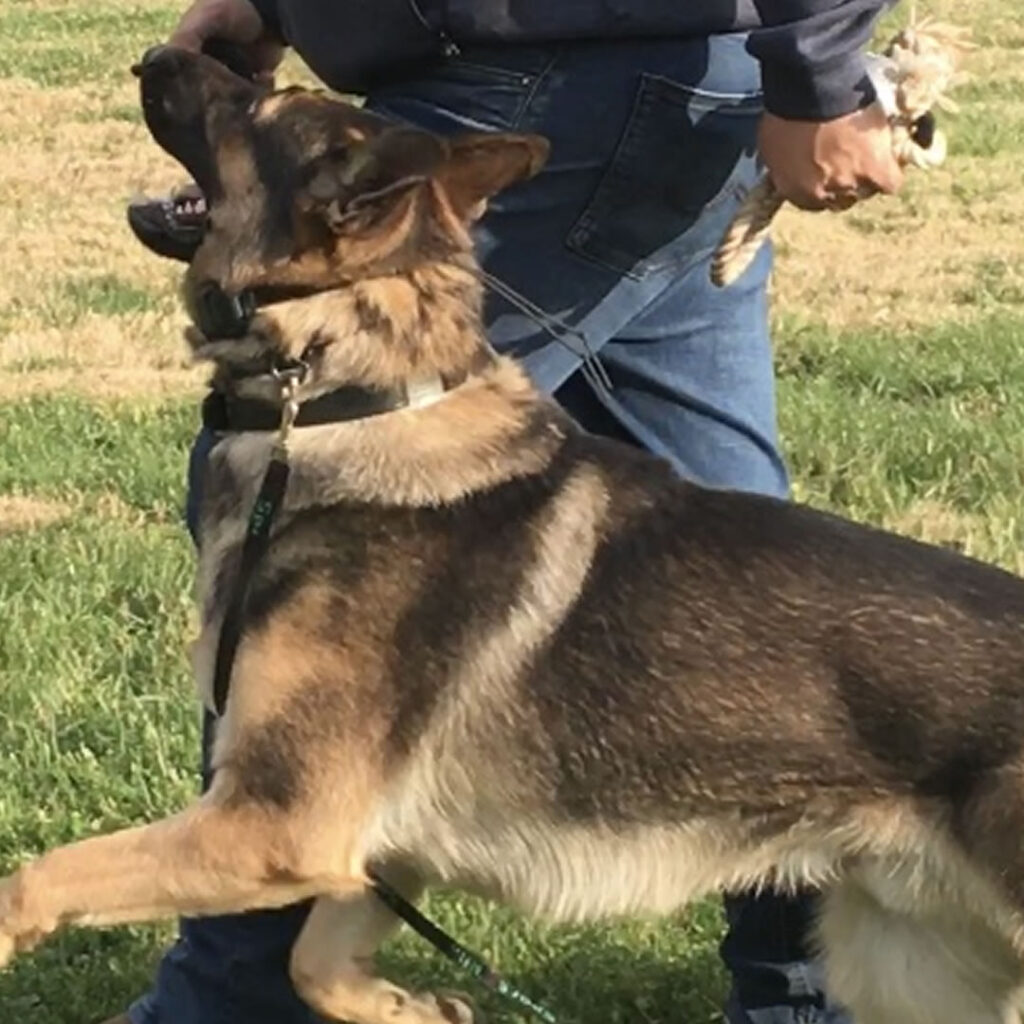
A disaster in the making
You paid the trainer when the dog was a puppy. Then again when the dog was around a year old. Then over time—again and again—as problems continue.
Eventually, the pet owner is so miserable the dog ends up being re-homed or winds up in the shelter. We know where this ends up… it’s not good for the dog!
It doesn’t have to be that way!
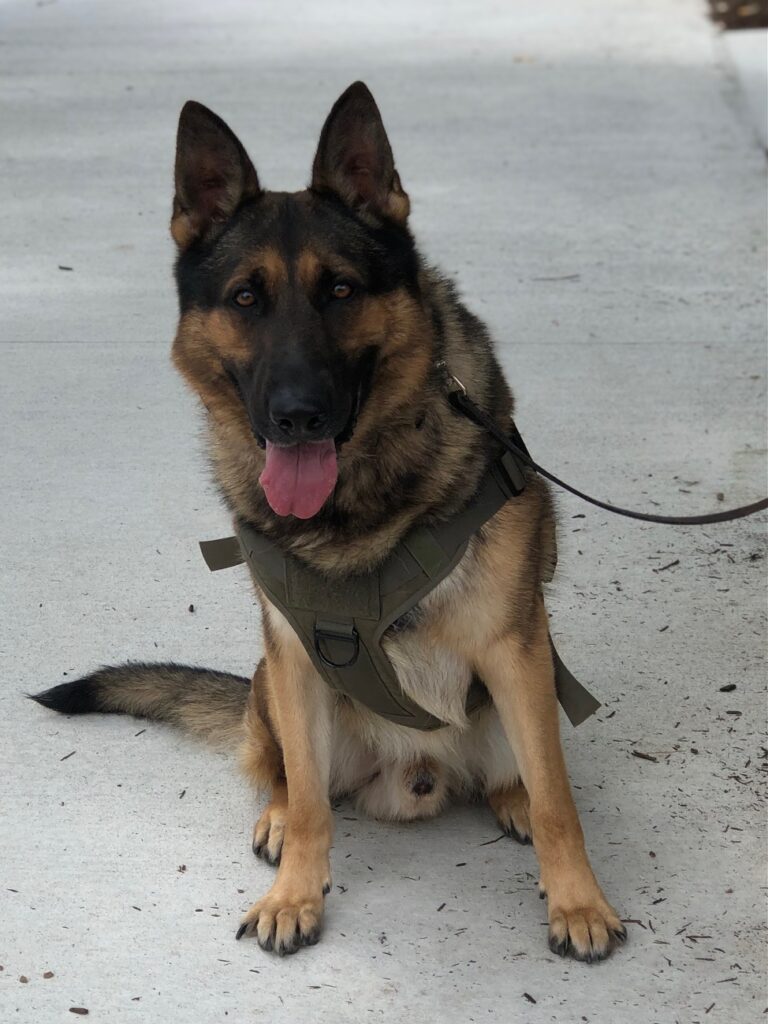
There is a Solution.
IF YOU WANT IT DONE RIGHT, DO IT YOURSELF!
We believe the SMARTEST, MOST EFFECTIVE way to help dogs is by coaching owners to become their own “trainer.”
And learning dog training with the right coaching isn’t hard—in fact, it’s easy and it’s fun.
Our goal is to help owners develop a rewarding and fulfilling relationship with their pet.
Every dog owner should learn the proper fundamental principles and easy techniques that trainers know, so they NEVER need to pay someone else again!
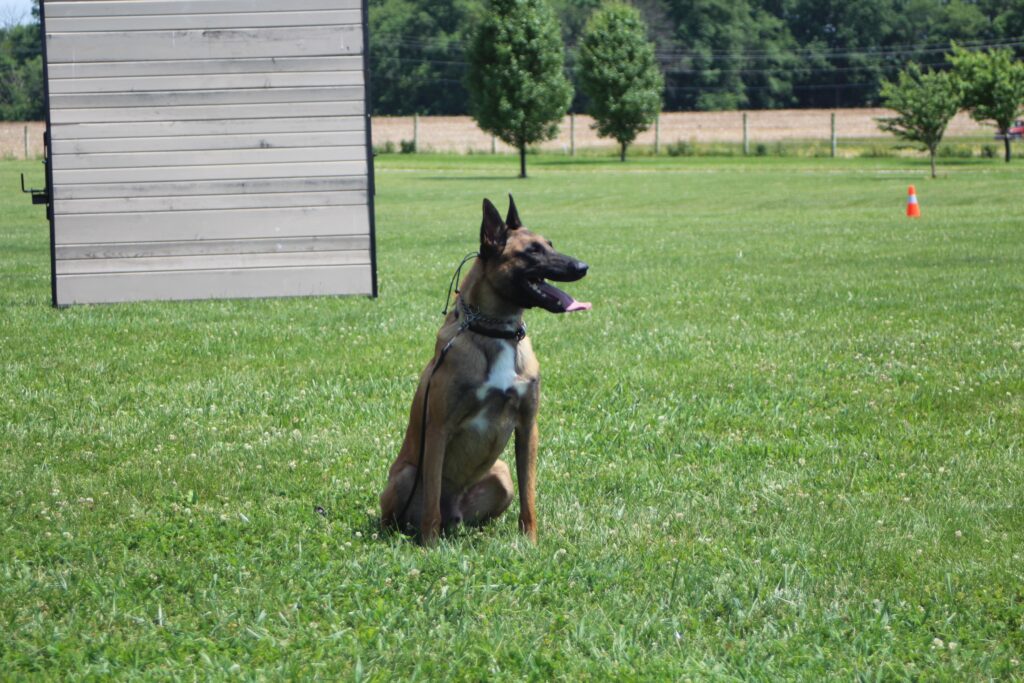
Here’s more reasons to become your own trainer:
1.Develop a great relationship. Whoever does the training develops the bond and builds the relationship with the dog. That should be the owner—not a stranger.
2. Save money—or at least don’t waste it. If you’re going to spend your hard-earned money, why not get something which lasts?
3. By becoming a trainer yourself, you’ll be able to fix your own pet issues and help family and friends with their dog problems. And you’ll have highly rewarding relationships with dogs forever.
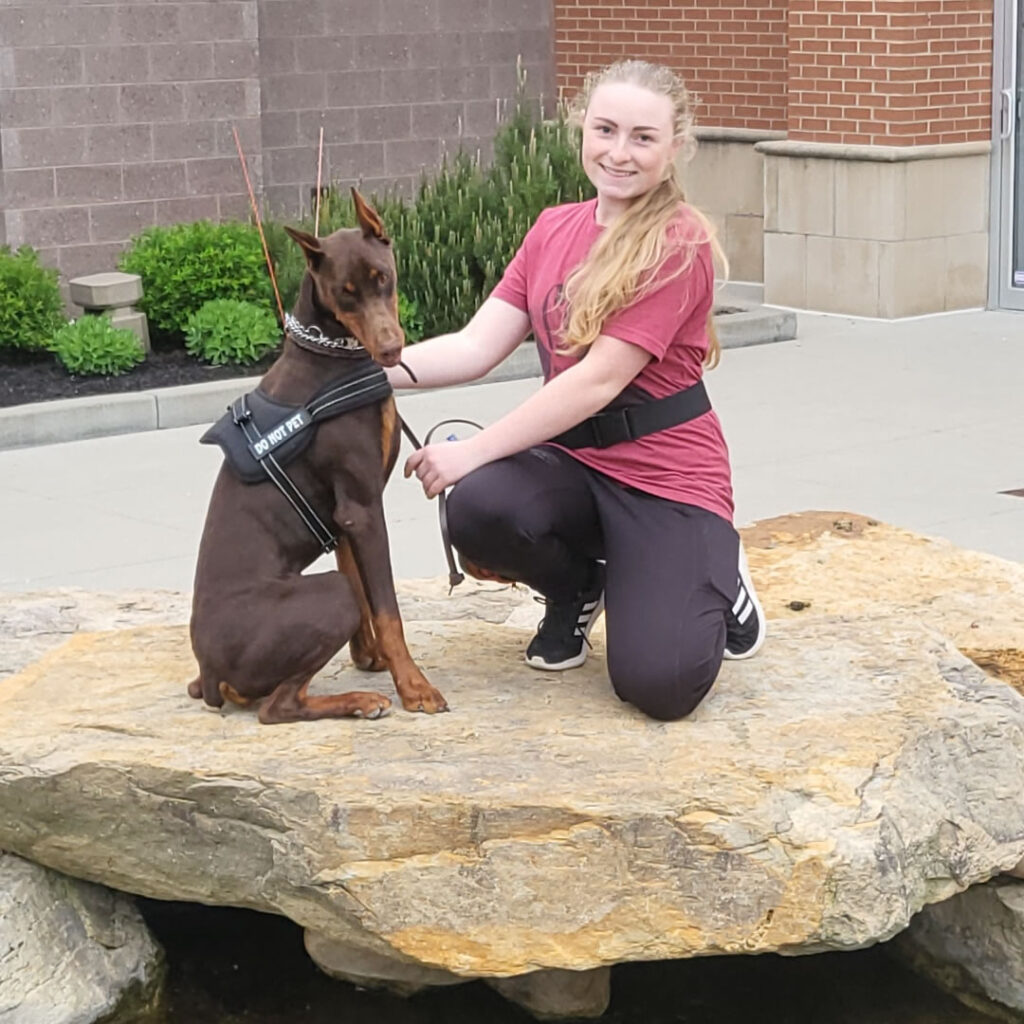
Common Misconceptions About Becoming a Dog Trainer:
1.“It’s so complex.”
That’s what the training academies and online courses—who charge tens of thousands of dollars—want you to think.
The truth is… dog training isn’t rocket science. You need to learn basic principles and understand the tools and techniques commonly needed.
After that, it’s about developing a working application of what you’ve learned.
Even advanced training is only an extension of the same “basic” principles. It’s just not as hard or complicated as people would have you believe.
2. “You have to be great with animals.”
We’ve been teaching the “trainers” for years. We can tell you there’s no such thing as a “dog whisperer.” Trainers aren’t superheroes. They’re no better than anyone else. They’ve just learned some things you don’t know—at least not yet.
3. “There’s too much to learn.”
Good dog training is both science and art. Nobody can learn everything there is to know about an art. But the science part is simple—it’s not magic. The “BASIC” principles always work and always will.
Ultimately, you’ll combine both science and art to be your best. It’s natural some people are better at one aspect than the other—but you’ll need both to best help each dog.
4. IT’S EXPENSIVE
If you go to an academy or dog school, it’s outrageously expensive. And even online courses are super high-cost, especially for what you get.
But those places aren’t going to teach you anything unique or super special.
We’ll teach you everything you need—and in fact, we’ll show you even more…
And we do it inexpensively, as part of a community-based club.
About Us

We ran the first PSA club in Indianapolis and are the U.S. Headquarters for the K-9 Grand Prix league—K9grandprix.com, the ultimate American protection sport.
We have trained dogs for over 30 years, including pets and countless law enforcement, military K-9s, and search and rescue dogs. We’ve worked scent dogs and trained support dogs too.
We now specialize in high-level sports obedience and sport/military/law enforcement protection dogs. Our main focus is on helping owners/handlers learn to become high-level trainers.
Contact us to move forward
We do NOT provide information and training solutions over email or phone. All questions are answered in person only.